SAND Loot and Item Database
Loot decisions should be made before panic starts. In SAND: Raiders of Sophie, the useful question is not "can I carry more?" It is "does this item make the run worth leaving now?"
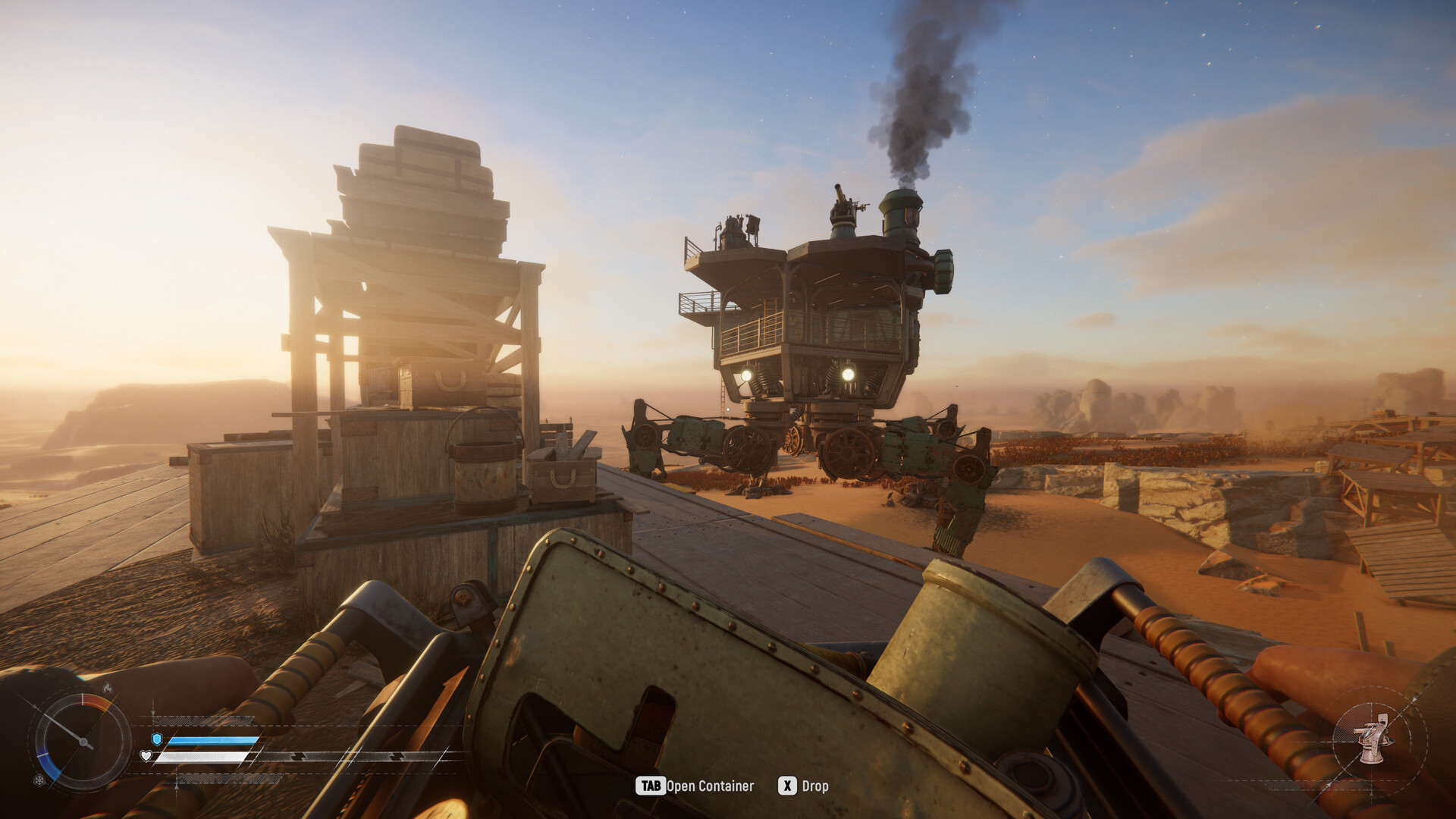
Because the Trampler is both storage and extraction anchor, loot value is tied to route safety. More storage is useful only when the crew can still bank the value. If carrying more makes you stay past the safe window, the loot is controlling the run.
Verified item and storage changes
| Item or system | Before | After | Verified note |
|---|---|---|---|
| Energy Rod sell price | 450 (incorrect) | 50 | The patch explicitly calls the 450 value an error and corrects it to 50. |
| Canned Sea Deer XL | 100 | 500 | Sell price increased fivefold. |
| MedKit sell price | 50 | 20 | Sell price decreased; this does not state any healing-value change. |
| Small Valuables | 3 | 4 | Sell price increased by one crown. |
| Valuables | 6 | 7 | Sell price increased by one crown. |
| Ironclad Crate slots | 12 medium | 1 large + 11 medium | Storage layout changed, adding one large-item slot. |
| High-tier resource orbital stack | 50 | 75 | Maximum stack size increased by 50%. |
| Pneumatic parts | Previous spawn frequency | Slightly lower | The patch does not publish an exact drop-rate percentage. |
July 18 timing change
Loot respawn timers were reduced from 30 minutes to 20 minutes. This is a server-side timing statement from the official update, not a guarantee that a specific container will hold a particular item.
Loot Value Calculator
The five presets use the official Update #2 sell prices above. Enter the slots actually occupied in your inventory; the patch notes do not publish item dimensions, so the calculator does not guess them.
Total sell value0
Slots used0
Value per slot0
| Item | Unit price | Quantity | Slots | Line value |
|---|
Beginner Loot Categories
- Progress loot: items or materials that support upgrades and future routes.
- Run support: supplies that keep this run alive long enough to extract.
- Build test loot: information about whether a Trampler layout, weapon role, or route idea works.
- Speculative loot: items that may be useful later but do not change the current run.
- Trap loot: extra value that tempts you into a bad fight, long detour, or late extraction.
Fast Loot Decision Table
| Decision | Examples | Why it matters | Next action |
|---|---|---|---|
| Carry now | High-tier resources, valuable items, and materials tied to the next known blueprint. | These items can move progression or fund the next build. | Tell the crew, clear the return path, and reduce optional stops. |
| Use now | Ammo, healing, repair support, or utility that prevents a failed exit. | Supplies are worth less in storage than they are during a saveable run. | Spend them before the crew loses position. |
| Store quickly | Medium-value stacks, build materials, and overflow loot from safes. | Transfer time is a danger window. | One player sorts while another watches pressure. |
| Drop first | Replaceable filler and items with no current upgrade plan. | Filler causes slow decisions when the route becomes dangerous. | Drop it when the inventory blocks a better item. |
Loot Priority Framework
Rank loot by what it changes. If it changes your next upgrade, your ability to survive the current run, or your knowledge of a route, it is high value. If it only fills space because it is nearby, it is low value until proven otherwise.
- Route-critical: supplies or resources that keep the current route alive.
- Progress-critical: items that unlock better future builds, routes, or combat options.
- High-value rare: artifacts or rare finds that should immediately start the extraction conversation.
- Replaceable filler: items you can take only if the route is still safe.
When to Leave Loot Behind
Leave loot behind when taking it would overload the route, delay extraction, or force you into a fight you were trying to avoid. Good players do not collect everything. They collect what turns into successful progress.
Also leave loot behind when the crew is split or the Trampler is not ready. Valuable items carried through a disorganized retreat often become bait for a worse fight.
Loot Extraction Rule
If a pickup would feel painful to lose, treat it as an extraction signal. Move toward a safe exit instead of trying to turn one good pickup into a perfect run.
The goal is not a full inventory. The goal is a valuable inventory that actually leaves the map.
Container Order
When a POI is only partly safe, check the containers that can change the run first: safes, rare-value rooms, and obvious upgrade materials. Do not spend the first quiet minute picking through every low-value container while the best objective is still unopened. The route should answer "did we get the reason we came here?" before it starts collecting filler.
Named items visible in current official notes
Recent official patch and known-issues pages name the Repair Kit, Raw Aurogen Crystal, Crystal with Handles, Wok Bomb, Energy Rod, Canned Sea Deer XL, MedKit, Small Valuables, Valuables, Ironclad Crate, pneumatic parts, and high-tier resources. A name appearing in a patch note does not reveal a location or drop rate; this page will add those fields only when a reproducible source exists.
Solo Looting vs Crew Looting
Common Loot Mistakes
- Overstaying after value: the run already paid, but the crew keeps searching for a perfect payout.
- Ignoring route cost: the item looks good, but reaching it burns supplies, time, or position.
- Using storage as an excuse: bigger capacity does not mean the route is safer.
- Looting during uncertainty: if nobody knows where the threat is, stop looting and regain information.
Loot Transfer Discipline
Getting loot into the Trampler is not the same as securing it. A transfer is only safe when the crew knows the threat direction, the driver can move, and the next decision is already chosen. Do not let the storage screen become a meeting room. Sort quickly, drop low-value filler, and move before another crew has time to read your position.
For new crews, use a simple verbal rule: "carry, use, drop, extract." Every item should land in one of those four choices. If players are still arguing about value after contact starts, the route has already become too slow.
Next Pages
Pair verified item values with extraction rules, storage layout, ammunition balance, and the dated update record.
Direct official sources
- Update #2 Out Now — item prices, crate slots, resource stack size, and pneumatic-parts frequency.
- Anti-Cheat Improvements: Phase One — 20-minute loot respawn and named current issues.
- Official Steam listing and screenshots.